


Quartz vs Porcelain Worktops: Which is Best for Your Kitchen?
Quartz and porcelain are two of the most popular materials for modern kitchen worktops, but choosing between them isn’t always straightforward. Both offer durability, style, and long-term value, yet they differ in appearance, heat resistance, and overall performance.
Quartz worktops are engineered surfaces made from natural quartz crystals combined with resins, creating a strong, non-porous surface with consistent colour and pattern options. Porcelain worktops, often referred to as ultra-compact ceramic surfaces, are manufactured using natural minerals fired at extremely high temperatures, producing a very dense and highly heat-resistant material.
In this guide, we’ll compare quartz vs porcelain worktops across key differences and factors including durability, heat resistance, maintenance, cost, appearance, and practicality for everyday kitchens. By the end, you’ll have a clear understanding of which material is the best fit for your home and lifestyle.

What is a Quartz Worktop?
Quartz worktops are engineered stone surfaces made from approximately 90–95% natural quartz combined with resins and pigments. This manufacturing process creates a non-porous, highly durable surface that is resistant to stains, scratches, and bacteria.
One of the biggest advantages of quartz worktops is their consistency. Because they are engineered, the colour and pattern remain uniform across the slab, making them ideal for modern kitchens where a clean, seamless look is desired.
Quartz is also extremely low maintenance. Unlike natural stone, quartz does not require sealing and can be cleaned easily with warm water and mild detergent.
Quartz worktops are available in a wide range of colours and finishes, including marble-inspired designs, contemporary concrete styles, and minimalist solid colours.
What is a Porcelain Worktop?
Porcelain worktops are manufactured from natural minerals such as clay, feldspar, and silica that are compressed and fired at extremely high temperatures. This process creates an ultra-compact ceramic surface that is extremely dense, strong, and designed to perform in modern kitchens.
Porcelain is one of the most heat-resistant materials used for kitchen worktops, making it highly resistant to hot pans, scratches, UV exposure, and everyday wear.
Because porcelain is non-porous, it offers excellent resistance to stains, moisture, and bacteria. This makes it easy to keep clean and hygienic over time.
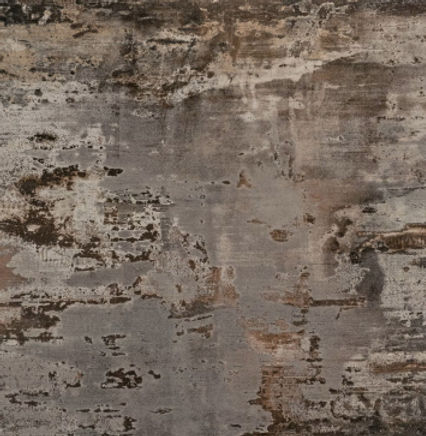
Porcelain and ultra-compact ceramic worktops and known for sleek appearance, consistent finishes, and the ability to replicate natural stone surfaces with impressive realism.
Quartz vs Porcelain Worktops: Key Differences
Feature
Quartz Worktops
Material Type
Appearance
Maintenance
Heat Resistance
Stain Resistance
Durability
Style
Engineered stone
Consistent patterns
No sealing required
Good but not extreme
Very high
Extremely durable
Modern and uniform


Feature
Porcelain Worktops
Material Type
Appearance
Maintenance
Heat Resistance
Stain Resistance
Durability
Style
Engineered ceramic
Consistent patterns
No sealing required
Exceptional
non-porous surface
Highly durable
Modern
Quartz vs Porcelain Durability
Both quartz and porcelain are exceptionally durable materials, making them well suited to modern kitchen worktops. Porcelain is an ultra-compact ceramic surface fired at extremely high temperatures, giving it excellent resistance to heat, scratches, and UV exposure.
Quartz is also extremely durable but contains resin binders that make it slightly less heat resistant than porcelain. While quartz handles everyday cooking conditions very well, it’s still recommended to use trivets or heat pads for very hot cookware.
For general kitchen use, both materials perform exceptionally well and will last for many years when properly installed and cared for.
Quartz vs Porcelain Maintenance
Maintenance is one of the key differences when comparing quartz and porcelain worktops.
Quartz worktops are non-porous, which means liquids cannot penetrate the surface. This makes quartz highly resistant to stains and very easy to clean. In most cases, everyday cleaning only requires warm water and a mild household detergent.
Porcelain worktops are also non-porous and extremely hygienic, making them highly resistant to staining, moisture, and bacteria. They require very little maintenance and can typically be cleaned with simple household cleaning products.
Both materials are considered low-maintenance worktop options, but homeowners often compare quartz vs porcelain based on their durability, heat resistance, and overall ease of care when choosing the best surface for their kitchen.

Quartz vs Porcelain Appearance
The visual appearance is often one of the main factors when comparing quartz and porcelain worktops.
Quartz worktops offer a consistent and controlled design. Because quartz is engineered, it can replicate the look of natural marble, stone, or concrete while maintaining uniform patterns and colours across the surface.
Porcelain worktops are manufactured using advanced printing technology, allowing them to create highly realistic stone, marble, or industrial-style finishes. Large format slabs and detailed veining patterns give porcelain a striking and contemporary look.
When choosing between quartz vs porcelain worktops, homeowners often consider the overall kitchen style, as both materials offer a wide range of colours, patterns, and finishes to suit.

Quartz vs Porcelain Cost
The cost of quartz and porcelain worktops can vary depending on the specific material, slab thickness, and installation requirements.
In many cases, quartz and porcelain fall within a similar price range, although premium quartz brands or large-format porcelain slabs can increase the overall cost.
Factors that influence worktop pricing include:
• Worktop size
• Edge profiles
• Cut-outs for sinks and hobs
• Installation complexity
A professional survey and installation help ensure the best finish, accurate fitting, and long-term performance regardless of whether you choose quartz or porcelain worktops.
Which is Better: Quartz or Porcelain?
There is no single “best” choice when comparing quartz vs porcelain worktops — the right option depends on your priorities and how you use your kitchen.
Quartz worktops are often chosen by homeowners who want low maintenance, consistent patterns, and a clean, modern appearance. Their engineered composition allows for a wide range of colours and styles while remaining easy to care for.
Porcelain worktops appeal to those looking for exceptional heat resistance, lightweight slabs, and highly realistic stone or marble designs. Porcelain is also extremely durable and resistant to scratches, stains, and UV exposure.
Both quartz and porcelain worktops offer excellent durability and can significantly enhance the style, performance, and value of a modern kitchen.
Expert Advice: Choosing the Right Worktop
Choosing between quartz and porcelain worktops is often easier when you can see full slabs and samples in person. Colours, patterns, and finishes can appear very different in natural light compared to images viewed online.
Working with experienced worktop specialists helps ensure the right material is chosen for your kitchen layout, lifestyle, and overall design preferences.
Quartz and Porcelain Worktop Installation
At Sheffield Solid Surfaces, we supply and install high-quality quartz and porcelain worktops for kitchens across the region.
Our process includes expert templating, precise fabrication, and professional installation to ensure a flawless finish.
Professional installation also ensures accurate templating, clean joints, and long-lasting performance.
Get a Quote for Quartz or Porcelain Worktops
If you’re considering quartz or porcelain worktops for your kitchen, our team can help you explore the best options for your space.
Contact us today to arrange a consultation, view samples, and receive a tailored quote for your project.
Whether you prefer the sleek consistency of quartz or the modern durability of porcelain, we can help you find the perfect worktop for your kitchen.
Our Quartz and Porcelain Worktop Gallery
Explore our portfolio of stunning kitchen worktops, featuring both quartz and porcelain surfaces installed in real homes and commercial spaces. From sleek modern kitchens to bold contemporary designs, our gallery showcases the quality, craftsmanship, and attention to detail that defines our installations.
Each project highlights the beauty of the material, precise templating, and professional finishing that ensures every worktop not only looks impressive but also performs reliably for years to come.
Whether you prefer the consistency of engineered quartz or the modern durability of porcelain, our gallery provides real-world examples to help you visualise the perfect worktop for your kitchen or commercial space.


